Ladera Ranch, CA
Develop the complete athlete
Teen Sports Performance Training in Ladera Ranch, CA
Young athletes need more than sport-specific practice to perform at their best.
Skills such as shooting, throwing, hitting, passing, serving, or dribbling are developed through practices and competition, but athletic performance also depends on physical qualities such as strength, speed, agility, coordination, balance, mobility, stability, and body control.
Personalized plans
Built around your starting point
Progressive coaching
A clear path from session to session
Technique first
Quality movement before intensity
At Ladera Fitness, I provide personalized teen sports performance training in Ladera Ranch, CA for middle school and high school athletes who want to become stronger, move more efficiently, improve athletic confidence, and better prepare their bodies for the demands of their sport.
Every young athlete develops differently. That's why training is customized according to the athlete's age, training experience, sport, physical maturity, movement abilities, current season, and performance goals.
Whether your athlete wants to improve speed, build strength, prepare for tryouts, develop greater power, improve movement mechanics, or become more physically prepared for competition, individualized sports performance coaching provides a structured way to work toward those goals.
Ready to learn more? Contact Ladera Fitness to schedule a sports performance consultation.
Personalized Sports Performance Training for Teen Athletes
Team practice is important, but coaches often have limited time to address the individual physical development needs of every athlete.
One athlete may need greater lower-body strength.
Another may need better acceleration or change-of-direction mechanics.
Another may benefit from improved mobility, balance, coordination, core stability, or overall conditioning.
That's where one-on-one sports performance training can help.
A customized program may focus on:
- Strength development
- Speed and acceleration
- Agility and change of direction
- Explosive power
- Core stability
- Balance and coordination
- Mobility and flexibility
- Deceleration mechanics
- Landing mechanics
- Body control
- Conditioning
- Athletic movement efficiency
- Exercise technique
- Injury-risk reduction
Training evolves as the athlete becomes stronger, more coordinated, and more experienced.
The objective isn't simply to make workouts harder. It's to develop physical qualities that can support long-term athletic development.
Strength Training for Teen Athletes in Ladera Ranch
Strength is an important foundation for many athletic movements.
Running, jumping, changing direction, absorbing force, throwing, swinging, and maintaining position against an opponent all require an athlete to produce and control force.
Properly designed strength training for teen athletes can help develop this foundation.
Depending on the athlete's experience and abilities, training may include:
- Squat variations
- Hinge movements
- Lunges and split-stance exercises
- Pushing movements
- Pulling movements
- Core exercises
- Single-leg training
- Stability exercises
- Resistance-band exercises
- Dumbbell exercises
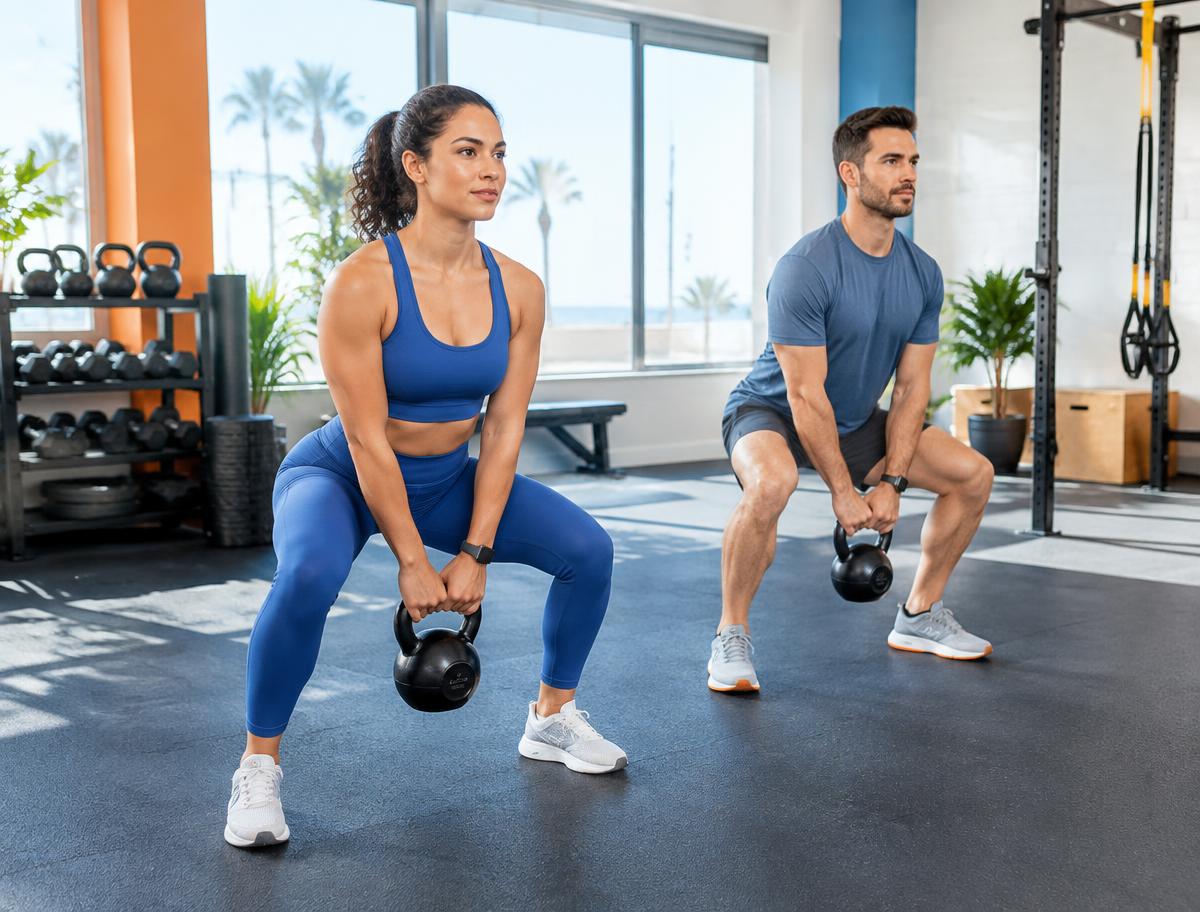
- Kettlebell exercises
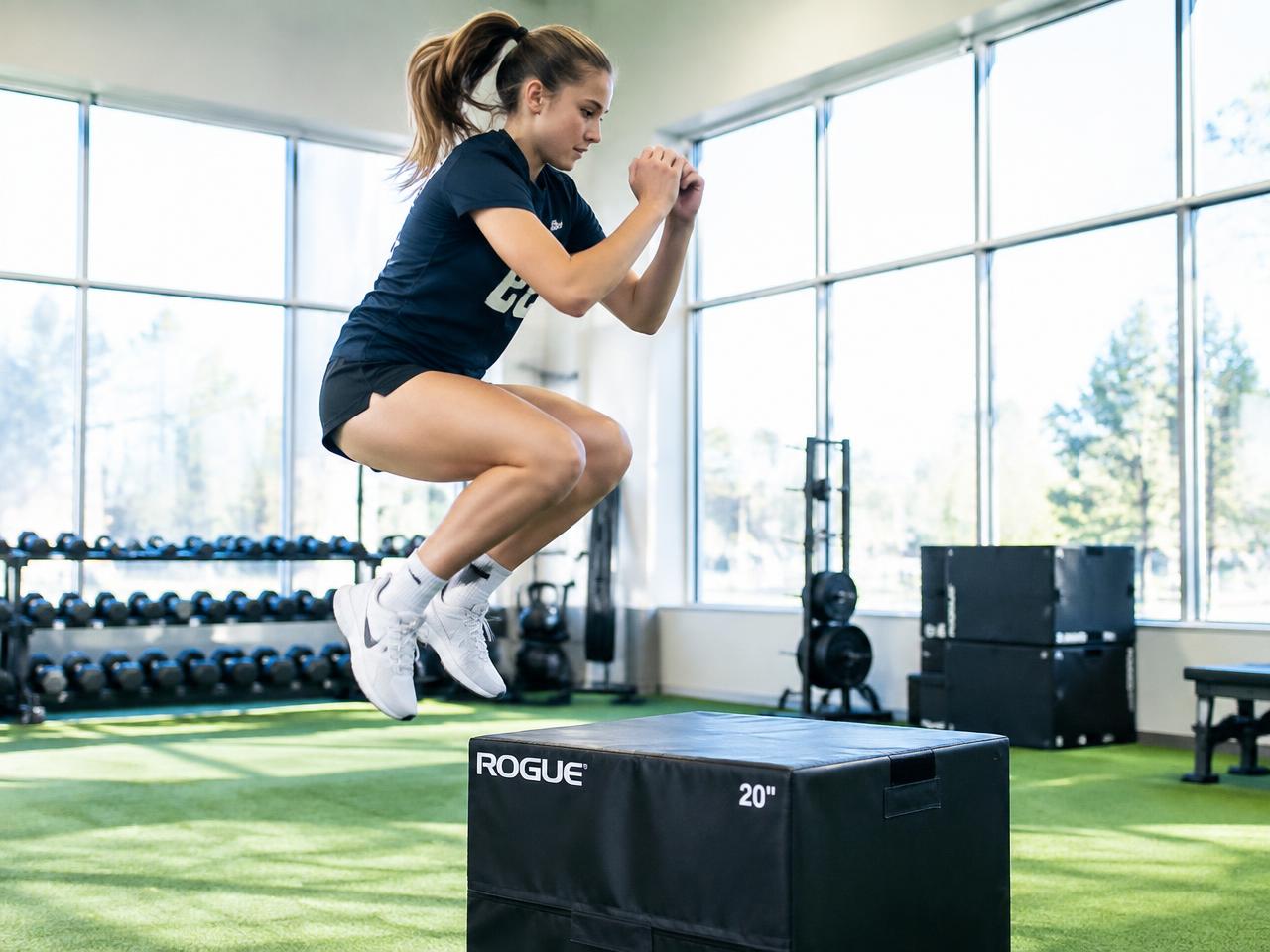
- Appropriate plyometric exercises
The emphasis is on proper technique, controlled progression, and choosing exercises appropriate for the individual athlete.
Young athletes do not need to perform maximum lifts or imitate advanced adult bodybuilding routines to become stronger.
Good coaching begins with movement quality and technique. Resistance and complexity can then progress as the athlete demonstrates appropriate control.
Athletes interested in additional strength development can also learn more about Strength Training & Bodybuilding in Ladera Ranch.
Speed and Agility Training in Ladera Ranch
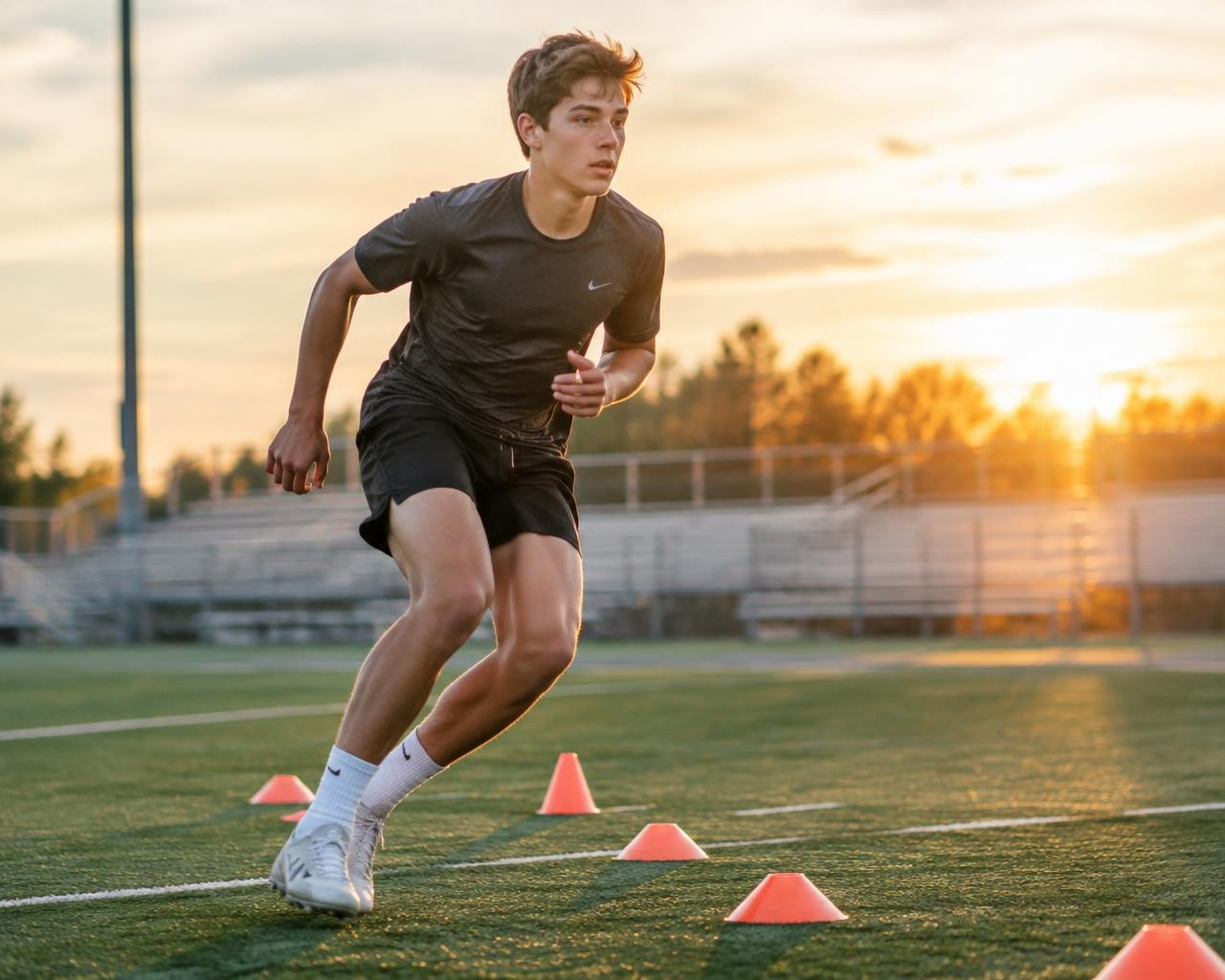
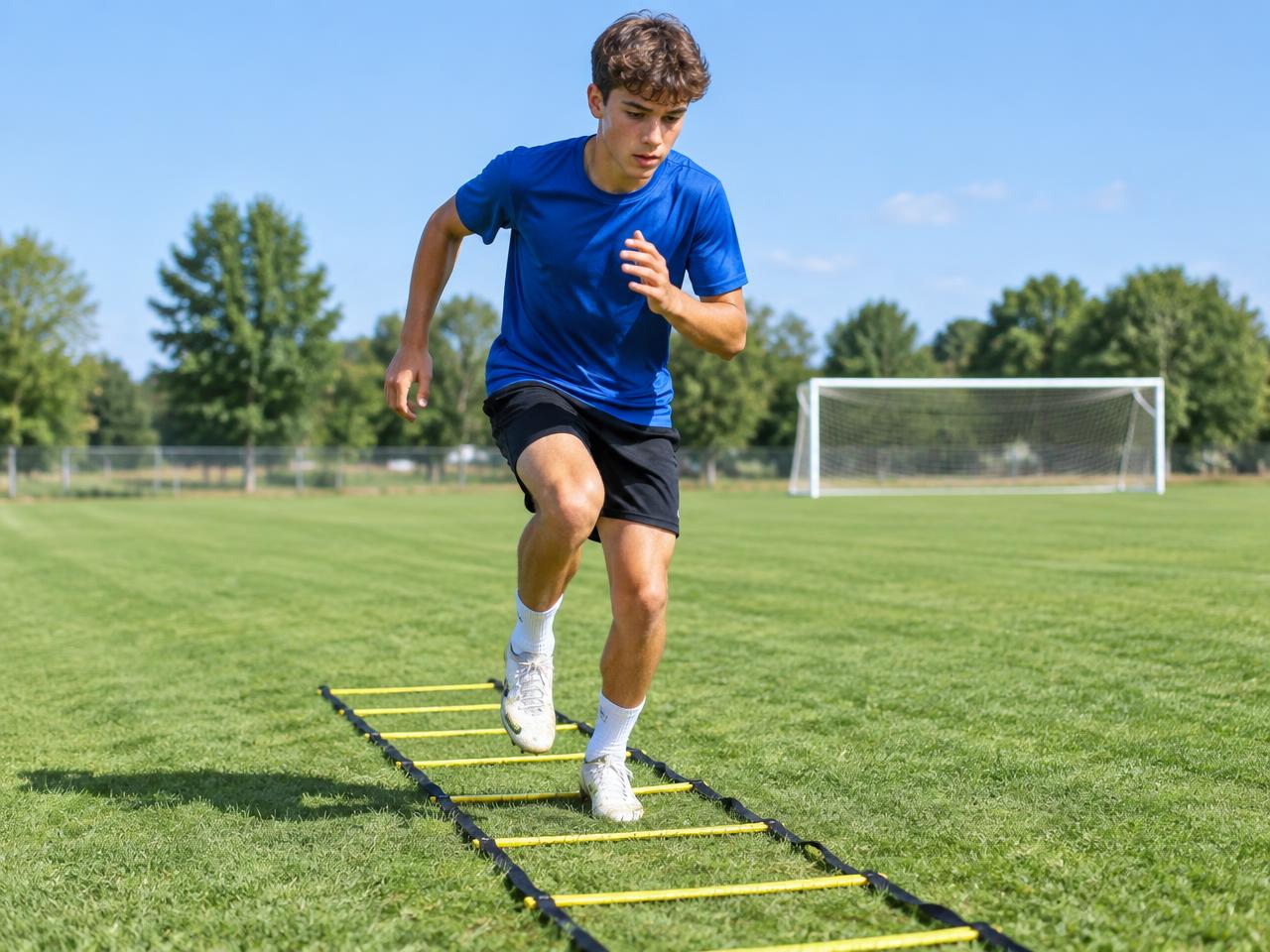
Being fast in sports involves more than straight-line running speed.
Athletes frequently need to accelerate, decelerate, react, change direction, reposition their bodies, and quickly produce force.
That's why speed and agility training for teen athletes may address several different skills.
Training can include work on:
- First-step quickness
- Acceleration
- Sprint mechanics
- Footwork
- Lateral movement
- Change of direction
- Deceleration
- Reaction
- Coordination
- Balance
- Body positioning
- Movement efficiency
An athlete who learns how to accelerate effectively also needs to learn how to slow down and control the body.
Deceleration and change-of-direction mechanics can be particularly important in sports that involve frequent cutting, jumping, landing, and rapid transitions.
The goal is not simply to move faster during drills. It's to develop better athletic movement that can transfer to practices and competition.
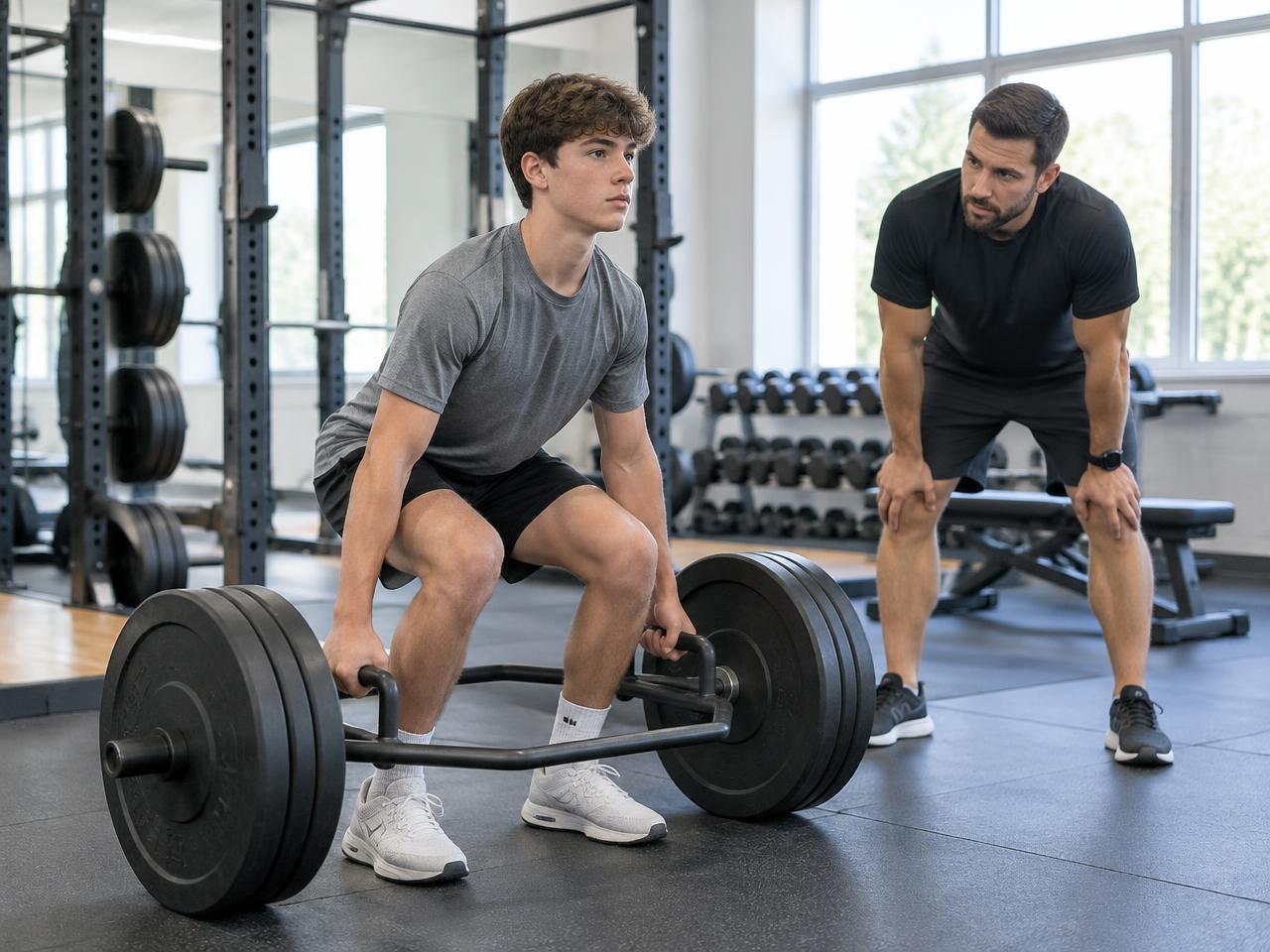
Free assessment & session
Ready to Start Teen Sports Performance Training in Ladera Ranch?
Claim your free assessment and personal training session with Jack. We'll go over your goals, history and schedule, then map out a plan that fits you.
Power and Explosiveness for Young Athletes
Many sports depend on an athlete's ability to produce force quickly.
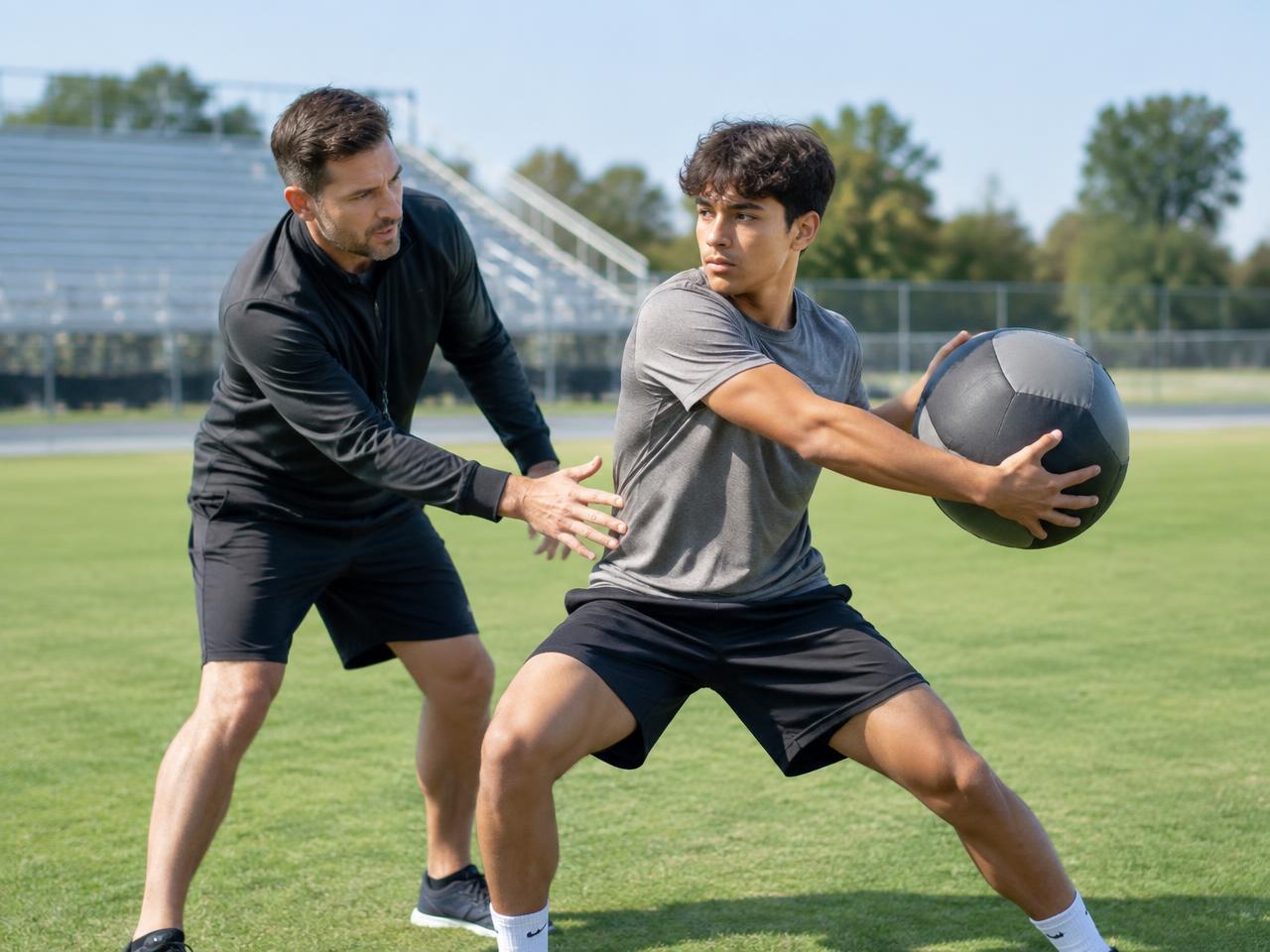
Jumping for a rebound, accelerating toward a ball, exploding off the starting line, swinging a bat, serving a tennis ball, or changing direction all involve elements of power.
Sports performance programs may incorporate appropriate exercises designed to improve explosive movement.
Depending on the athlete, these may include:
- Jump variations
- Medicine-ball exercises
- Short acceleration drills
- Controlled plyometrics
- Explosive strength exercises
- Single-leg power development
- Movement drills
Exercises are selected according to the athlete's current ability rather than simply choosing the most advanced drill.
Developing a strong foundation of movement control and strength first can help athletes perform more demanding exercises with better technique.
Injury-Risk Reduction for Teen Athletes
No training program can guarantee that an athlete will avoid injury.
Sports involve unpredictable situations, contact, falls, collisions, fatigue, overuse, and other factors that cannot always be controlled.
However, athletes can train physical qualities that help them become better prepared for the demands of their sport.
Sports injury-risk reduction training may focus on:
- Hip and lower-body strength
- Core stability
- Knee control
- Ankle stability
- Shoulder stability
- Posterior-chain strength
- Balance
- Coordination
- Landing mechanics
- Deceleration mechanics
- Mobility
- Exercise technique
- Movement quality
The goal is to develop a stronger, more coordinated, and more resilient athlete.
It is also important to distinguish sports performance coaching from medical treatment.
An athlete experiencing an acute injury, persistent pain, unexplained symptoms, or another medical concern should be evaluated by an appropriate licensed healthcare professional before beginning or returning to training.
Sports performance training does not replace physical therapy, rehabilitation, or medical care.
For more information about movement-focused training, visit Injury Prevention & Functional Fitness Training in Ladera Ranch.
Sports Performance Training for Multiple Sports
Different sports require different combinations of strength, movement, power, speed, coordination, endurance, and mobility.
At Ladera Fitness, athletic training can be customized for teens participating in sports such as:
- Soccer
- Baseball
- Softball
- Basketball
- Football
- Volleyball
- Lacrosse
- Tennis
- Track and field
- Golf
- Swimming
- Cheerleading
- Martial arts
- Other school and club sports
The purpose of sports performance coaching isn't to replace the athlete's team coach or sport-specific instruction.
Instead, it helps develop the underlying physical abilities that support athletic performance.
A soccer player may emphasize acceleration, lower-body strength, deceleration, and change of direction.
A baseball or softball player may benefit from rotational strength, lower-body power, shoulder stability, and total-body coordination.
A basketball or volleyball athlete may place greater emphasis on jumping, landing mechanics, power, lateral movement, and strength.
The training program reflects the needs of the individual athlete rather than relying on the exact same workout for every sport.
Off-Season Sports Performance Training
The off-season can provide an excellent opportunity to focus on physical development without the same competition schedule athletes face during the season.
Depending on the athlete's needs, off-season sports performance training in Ladera Ranch may place greater emphasis on:
- Building strength
- Improving movement technique
- Developing speed
- Increasing power
- Addressing mobility limitations
- Improving conditioning
- Building muscle appropriately
- Preparing for the next season
Training volume and intensity can be adjusted depending on how far the athlete is from competition.
A structured off-season program can also give athletes clear goals to work toward when they aren't practicing or competing as frequently.
In-Season Training for Teen Athletes
Sports performance training doesn't necessarily stop once the season begins.
However, training should reflect the demands the athlete is already experiencing through practices, games, tournaments, travel, and school.
During the competitive season, the emphasis may shift toward maintaining strength, movement quality, mobility, and physical readiness while managing overall workload.
More isn't always better.
A teen athlete practicing several days per week and competing on weekends may need a different training schedule than an athlete who is currently between seasons.
That's one reason individualized programming matters.
Preparing for Tryouts and Upcoming Seasons
Waiting until the week before tryouts to begin conditioning rarely gives an athlete much time to make meaningful physical improvements.
Athletes preparing for a school season, club season, or competitive tryout can benefit from starting earlier.
Depending on the athlete and sport, preparation may include:
- Strength development
- Conditioning
- Speed work
- Agility training
- Power development
- Mobility
- Sport-relevant movement
- Confidence building
A structured training plan allows these qualities to develop progressively rather than attempting to accomplish everything immediately before competition begins.
Building Athletic Confidence
Physical preparation can also influence how an athlete feels about training and competition.
When athletes become stronger, learn proper exercise technique, improve movement skills, and see measurable progress, they often become more confident in what their bodies can do.
Sports performance training can provide opportunities for young athletes to develop:
- Consistency
- Training discipline
- Body awareness
- Goal-setting habits
- Confidence in the gym
- Confidence in movement
- Greater understanding of strength training
- Responsibility for their own development
The objective is to create a positive training environment where the athlete can learn, work hard, and make progress without comparing every workout to someone else.
Long-Term Athletic Development
Teen sports performance shouldn't focus exclusively on immediate results.
Middle school and high school athletes are still developing physically and learning how to train.
Building a foundation of strength, coordination, balance, mobility, speed, and good movement mechanics can support athletic development beyond a single season.
Training should progress with the athlete.
Someone beginning structured strength training may first need to master fundamental movements and basic resistance exercises.
A more experienced high school athlete may be ready for more advanced strength, power, or speed development.
The athlete's training experience matters just as much as chronological age.
One-on-One Sports Performance Coaching
Small-group and team conditioning programs can be useful, but they don't always provide the individual attention some athletes need.
With one-on-one training, sessions can be adjusted specifically for the athlete.
This allows coaching to focus more closely on:
- Exercise technique
- Individual strengths and weaknesses
- Movement mechanics
- Appropriate progression
- Training goals
- Sport demands
- Current competition schedule
- Feedback and instruction
For an athlete who is new to structured training, personalized coaching can also provide a more controlled introduction to strength and conditioning.
Why Parents Choose Ladera Fitness
Parents looking for a teen sports performance trainer in Ladera Ranch want coaching that prioritizes both athletic development and responsible training.
Ladera Fitness emphasizes:
- Individualized programming
- One-on-one coaching
- Proper exercise technique
- Age-appropriate progression
- Strength development
- Athletic movement
- Speed and agility
- Mobility and stability
- Injury-risk reduction
- Positive coaching
- Long-term development
Jackie Kenefick has more than 21 years of personal-training experience working with clients across different ages, goals, and fitness levels.
Learn more about Jackie's background and training philosophy on the About Ladera Fitness page.
Free assessment & session
Claim Your Free Teen Sports Performance Training Session in Ladera Ranch
No pressure and no cookie-cutter programs. Claim your free session and see how personal coaching can work for you.
Teen Sports Performance Training in Ladera Ranch & South Orange County
Ladera Fitness serves young athletes in Ladera Ranch and surrounding South Orange County communities.
Depending on scheduling and availability, athletes may come from areas including:
- Ladera Ranch
- Mission Viejo
- Rancho Mission Viejo
- Rancho Santa Margarita
- Laguna Niguel
- Aliso Viejo
- Lake Forest
- San Juan Capistrano
Families can visit the Areas We Serve page to learn more about personal training and sports performance coaching throughout South Orange County.
Common questions
Frequently Asked Questions About Teen Sports Performance Training
Get started
Contact Ladera Fitness
Looking for a teen sports performance trainer in Ladera Ranch, CA?
Contact Ladera Fitness to discuss your athlete's goals and learn more about individualized strength, speed, agility, mobility, conditioning, and athletic-development training.
Whether your athlete is preparing for tryouts, getting ready for an upcoming season, beginning strength training, or looking to improve overall athletic performance, the program will be built around the athlete's individual starting point and goals.
Schedule a sports performance consultation with Ladera Fitness.
Start a conversation
Training should fit the person—not the other way around.
Share your goals, training history, and preferred schedule. Your free assessment & personal training session is a chance to ask questions, discuss challenges, and decide whether the coaching approach feels right.
Contact Ladera Fitness